
Author: Mark
-
Abraham Challenges God!

My previous post discussed the Book of Job, and how it encourages us to challenge injustice, even when it appears to come from the Almighty himself. Genesis, chapter 18, sounds a similar theme, except that God actually invites Abraham to object to His decision to obliterate Sodom and Gomorrah so that the Almighty can reassure Read more
-
God Wants To Be Challenged!

Judaism does not demand blind obedience to God’s commands. Quite the opposite: the Tanakh is filled with numerous examples of biblical figures who challenge the perceived injustice of God’s moral order, including Abraham, Moses, Job, Jonah, and Kohelet (Ecclesiastes). Job’s challenge is perhaps the most dramatic and poetic example, and the short video below illustrates Read more
-
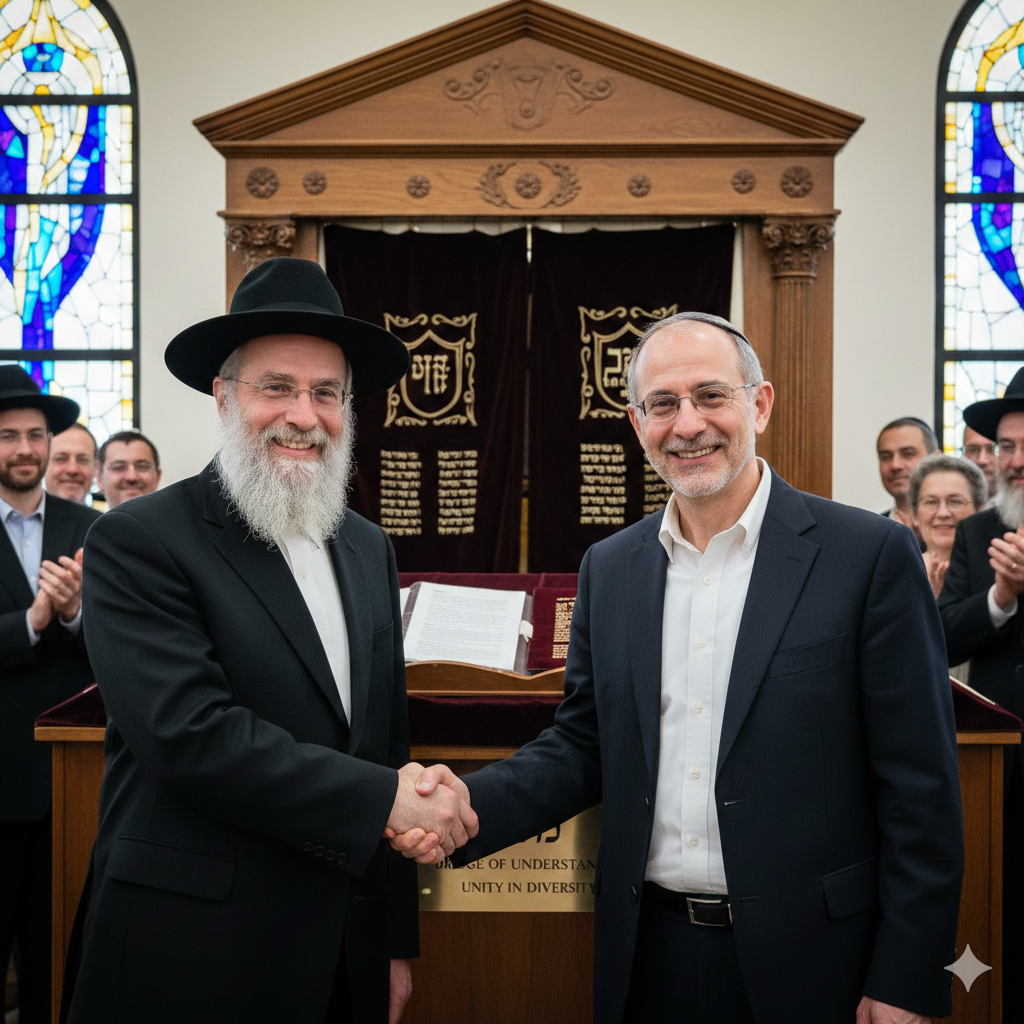
There’s No One Right Way To Practice Judaism
-
Does the Great Rabbi Akiva Have Feet of Clay? The Oven of Akhnai, Part II
The first half of the Talmud’s Oven of Akhnai narrative ends with the death of R. Gamliel, implicitly as punishment for his humiliation of his colleague, R. Eliezer. The deliberate humiliation of another Jew is a grave crime under Jewish law, and when Gamliel ignored God’s warning he was appropriately punished. The conclusion of this Read more
-
Part 2 of My Conversation on the “Design and Religion” Podcast

I earlier participated in a three-way conversation with Dr. Philip Jones, a retired Presbyterian pastor, and Van Sedita, a Christian layperson (previously posted), regarding the primary themes of my book. There, it became apparent that many of theological tensions that I have found in Judaism were also present in Presbyterianism, including whether it is possible Read more
-
Judaism is Open-Minded and Pluralistic

There is a famous Talmudic story that I believe does not get enough attention, as it exemplifies Judaism’s liberal (old, classic sense) character. It recounts (b. Eruv. 13b) that there was a three-year halakhic (legal) dispute between the academies of Hillel and Shammai, two great sages who emerged in the immediate aftermath of the Second Read more
-
A Shocking Talmudic Story: the Sages Overrule God!

One of the most famous and frequently discussed stories in the Talmud is known as the “Oven of Akhnai.” This narrative is set in the first or second century of the common era at the great yeshiva in Yavneh (now northern Israel), established to preserve Judaism following the fall of the Second Temple. While the Read more
-
God Only Listens to Rachel’s Plea

There is an astonishing narrative in Midrash Rabbah Lamentations (a classic Jewish source)1 regarding God’s decision to allow the Jewish people to return from Babylonian exile and rebuild the holy Temple in Jerusalem. This midrash, probably written in the fifth century CE, illustrates the transcendent value that Jewish theology places on moral autonomy. It builds Read more
-
The Torah as Feminist Text

In Chapter 6 (“The Fractious Canon”) of my Come Now, Let Us Reason Together I examine the Torah’s treatment of gender roles. While noting that this text’s cultural setting in the late Bronze Age requires men to hold leadership roles, I describe numerous instances in which women justifiably act contrary to their husbands or leaders’ Read more
-
The Coming Jewish Schism Over Zionism
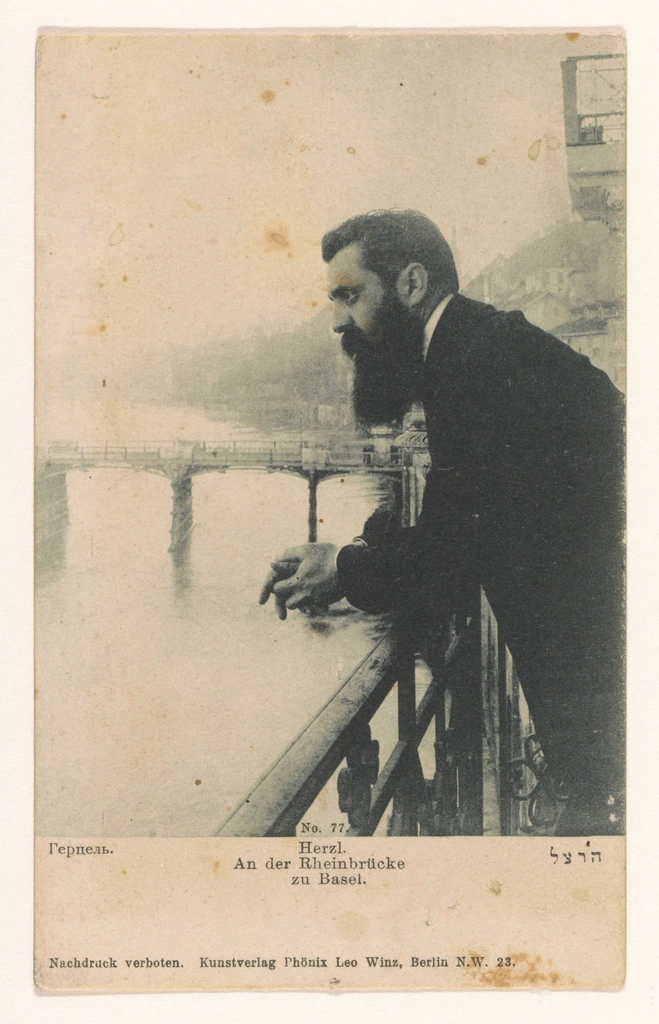
Until recently most Jewish congregations viewed a commitment to Zionism as an essential aspect of “authentic Judaism.” To be clear, I am using “Zionism” in its most abstract sense, to mean simply that the Jewish people are entitled to a state in their ancestral homeland, not tied to any particular borders, governance, economic structures, etc. Read more