
Those who believe that authentic Judaism is close-minded and reactionary would be astonished by many of the narratives recounted in the Talmud, the authoritative elucidation of the Torah’s laws and narratives. In fact, the Talmudic rabbis were innovative and keenly responsive to changes in their community’s social conditions and attitudes. To fully understand this dynamic, a brief review of Jewish history is in order.
According to the consensus of modern scholars, the Pentateuch (Five Books of Moses) was edited into its final form in about the 6th century BCE. The Talmud is a much more recent text. The Mishna, its earliest strata, originally consisted of orally transmitted laws and traditions that circulated among the Pharisees and their successors in the two centuries following the destruction of the Second Temple by the Romans in 70 CE. The Mishna was not reduced to writing until approximately 220 CE.
The Gemara, constitutes the main body of the Talmud, uses the Mishna as a foundational text, and records the debates, stories, and commentaries of many generations of rabbis and scholars (the Amoraim). A final layer, added by the Rabbis known as the Savoraim, edited this collection of texts into its final form in the 6th century CE. Accordingly, there is something like a thousand-year interval between the closing of the Pentateuch and that of the Talmud. There were enormous changes in Jewish society over this period, reflecting profound changes in its economic structure, interactions with other cultures, and ethical growth. A literal interpretation of the Pentateuch would sit in great tension with these new attitudes and mores.
Thus, as Leon Roth, a prominent Jewish philosopher of the 1950s, observes, when confronted by unjust laws, the Talmudic rabbis “limited, extended, broadened, narrowed, ignored, blandly changed, even in some striking cases perverted the plain sense, in order to achieve their aim [of reforming it].” Moralization and Demoralization, p. 298. For example, they abrogated the death penalty decreed by the Torah for many victimless crimes, e.g. homosexuality, Sabbath desecration, idol worship, etc., by imposing a myriad of evidentiary and procedural requirements that made conviction essentially impossible. Moreover, an “eye for an eye” became lashes or monetary compensation.
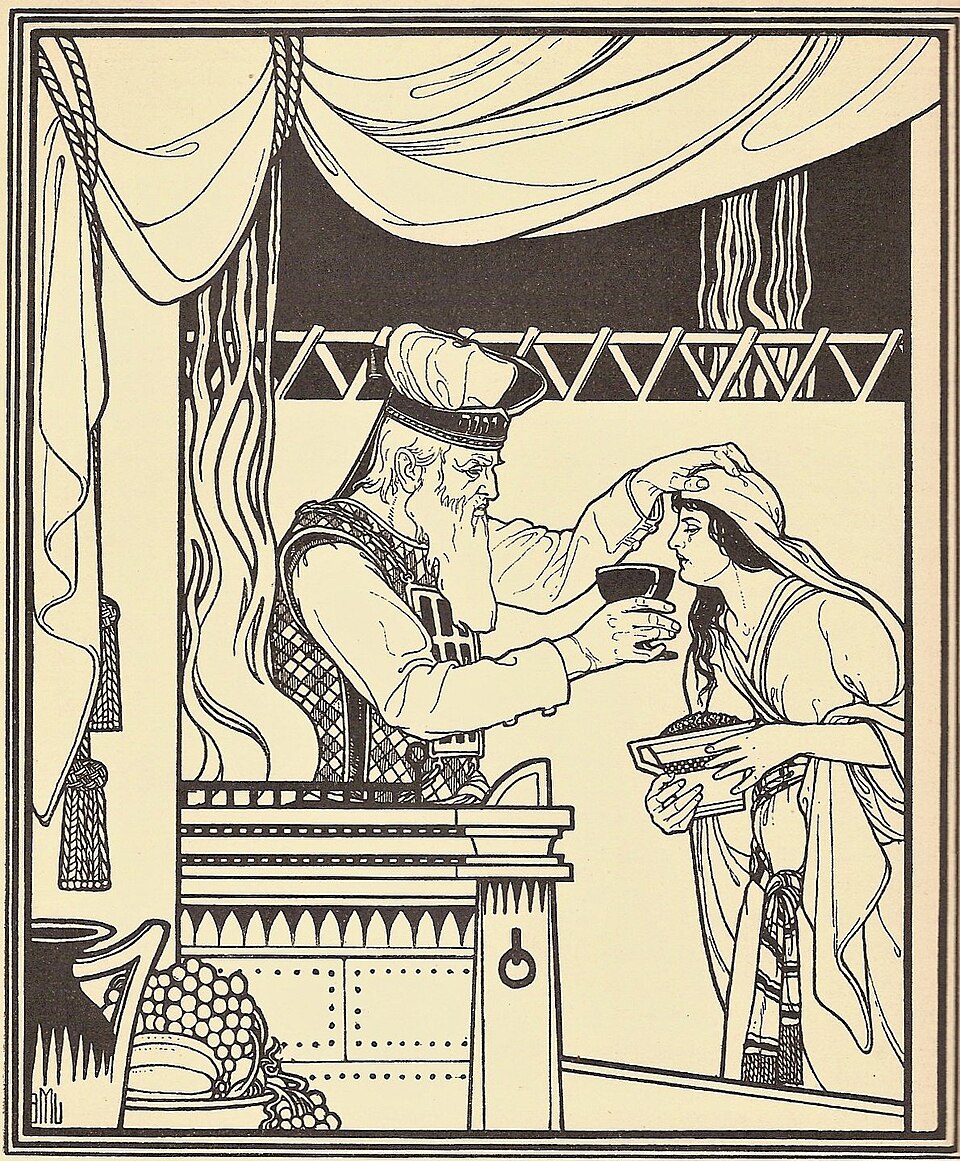
Perhaps the most blatant example of the Rabbis reinterpreting the Torah to align it with contemporary notions of justice, is their nullification of the trial by ordeal of the allegedly unfaithful wife, which would exonerate the innocent but cause the guilty to suffer an agonizing death. The book of Numbers provides a quite detailed description (5:11-31) of how this procedure, involving the consumption of “bitter waters,” is to be administered, which suggests the importance of this law. And yet, a thousand years later, it appears that the Jewish people had grown uncomfortable with it and this ordeal was abandoned.
The Rabbis understood this revulsion and so rather than try to enforce this law, they provided a “comfortable” explanation for its de facto nullification. Thus, the Talmud (b. Sotah 47a) records that:
From the time when adulterers proliferated, the performance of the ritual of the bitter waters was nullified; they would not administer the bitter waters to the sota [allegedly unfaithful wife]. And it was Rabbi Yohanan ben Zakkai who nullified it, as it is stated: “I will not punish your daughters when they commit harlotry, nor your daughters-in-law when they commit adultery; for they [the husbands] consort with lewd women” [quoting Hosea 4:14], meaning that, when the husbands are adulterers, the wives are not punished for their own adultery.
Notice that the Rabbis are not relying here on any legal reasoning, but simply on fundamental principles of justice.
My book provides many other examples that show that authentic Judaism, as practiced by the Talmudic rabbis, is pluralistic, tolerant, innovative, and open-minded; in other words, liberal, in the classic sense.
Leave a Reply